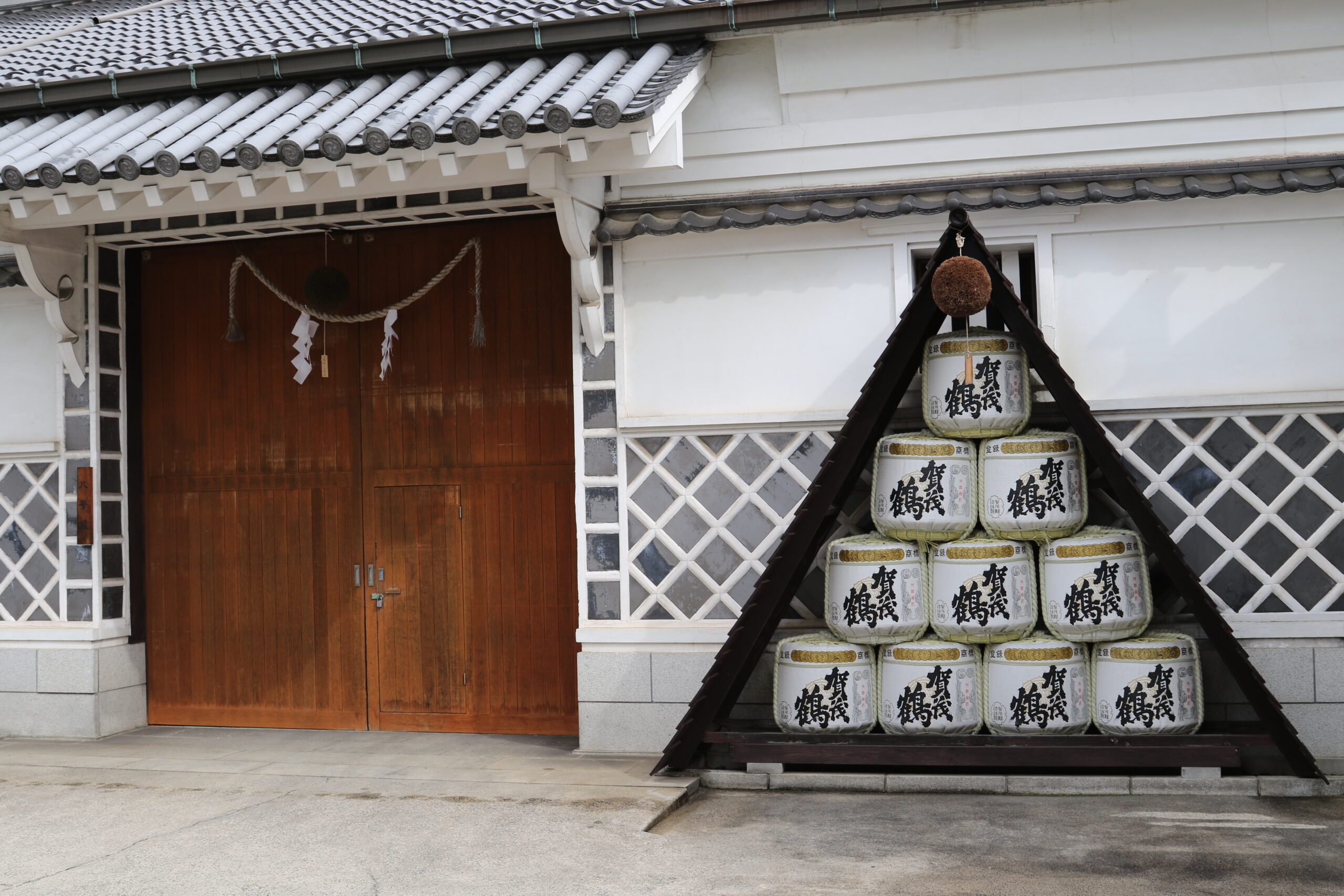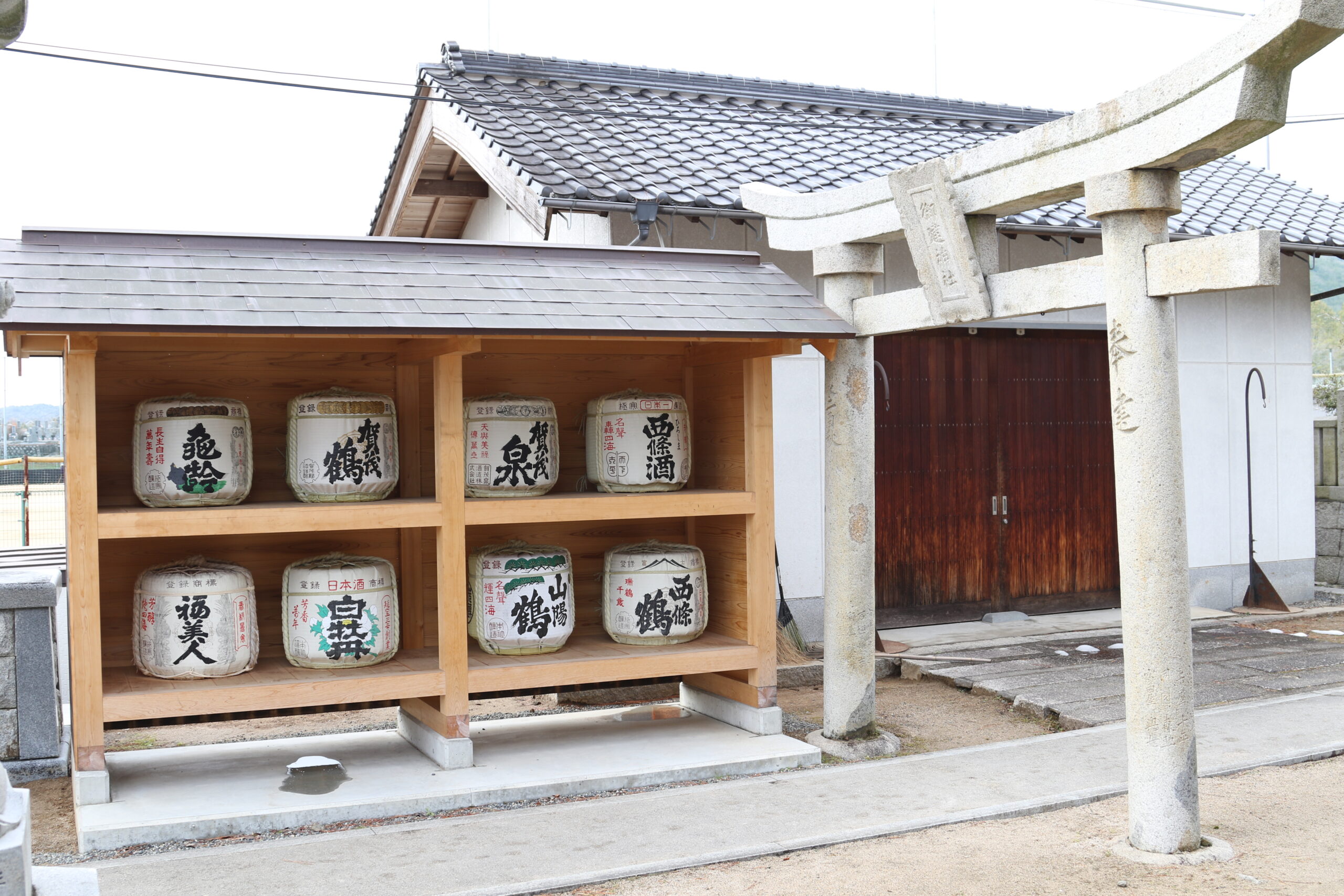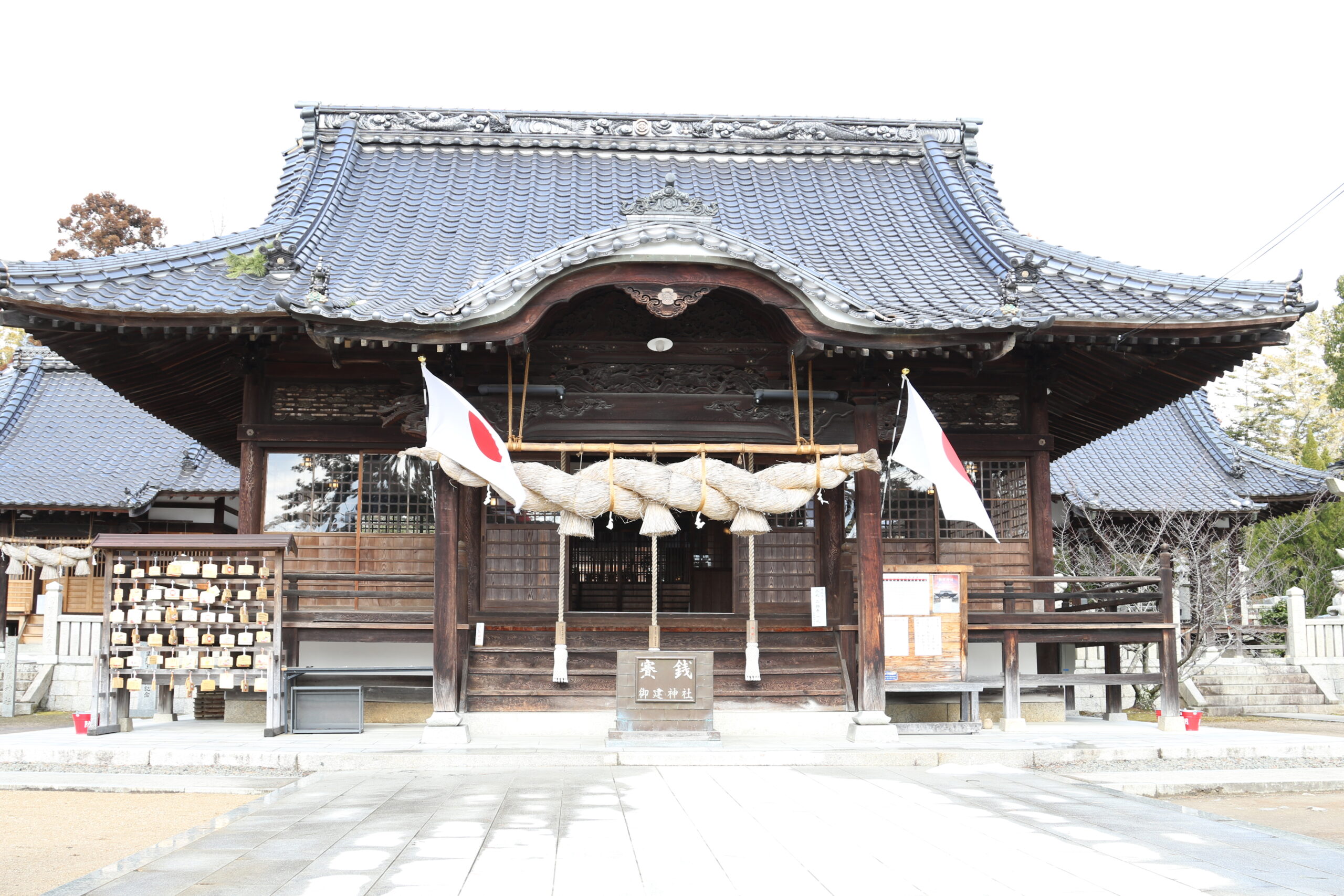
Saijō, located in Higashihiroshima City in Hiroshima Prefecture, is widely known as one of Japan’s most famous sake-brewing towns. Yet its history stretches far deeper than the white-walled kura storehouses that line its streets today.
Long before it became a center of sake culture, this region was shaped by ancient burial mounds, early religious institutions, and the flow of the old Sanyōdō highway. From the era of large kofun tombs to the establishment of Aki Kokubun-ji Temple, Saijō has quietly preserved traces of Japan’s early state formation and regional power structures.
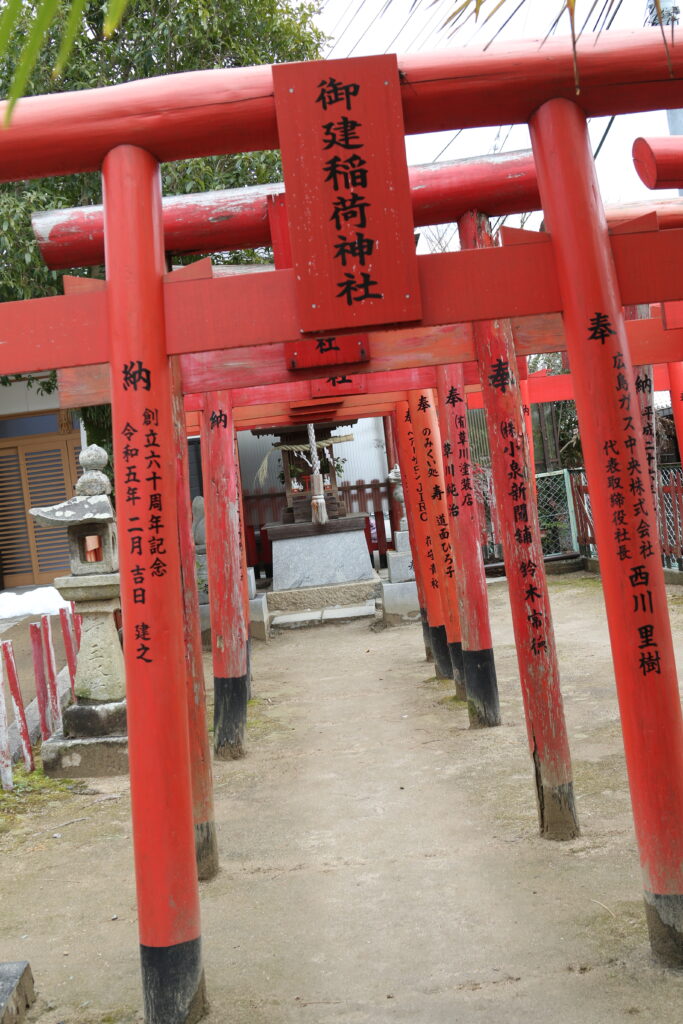
During the Edo period, the town flourished as a post station along the historic Sanyōdō route, connecting western Japan to the political and economic heart of the country. Travelers, merchants, and pilgrims passed through these streets, leaving behind layers of cultural memory that can still be sensed today.
This historical exploration will trace Saijō’s story from ancient times to the present—examining archaeological sites, temples, shrines, and the evolution of its sake industry. Through photographs and historical context, we will uncover how this quiet town reflects the broader narrative of Japan itself.
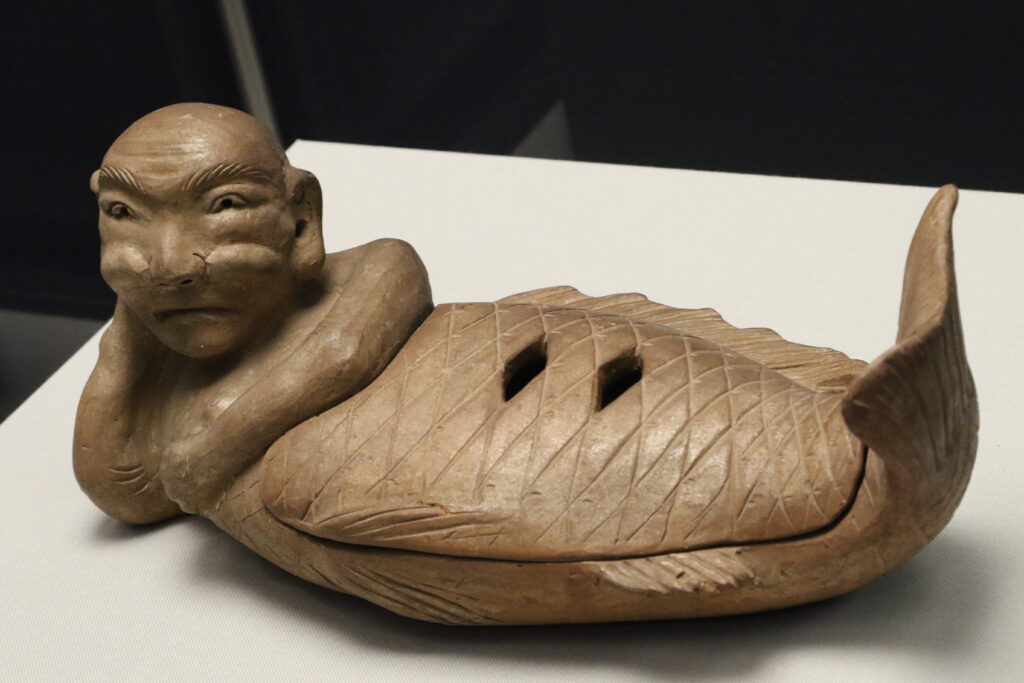
Beyond Saijō’s history, I also introduce various aspects of Japanese culture — from sake traditions and ancient rituals to folklore and yokai — on my English site:
Between Journeys and Myths
https://quietanimals.com