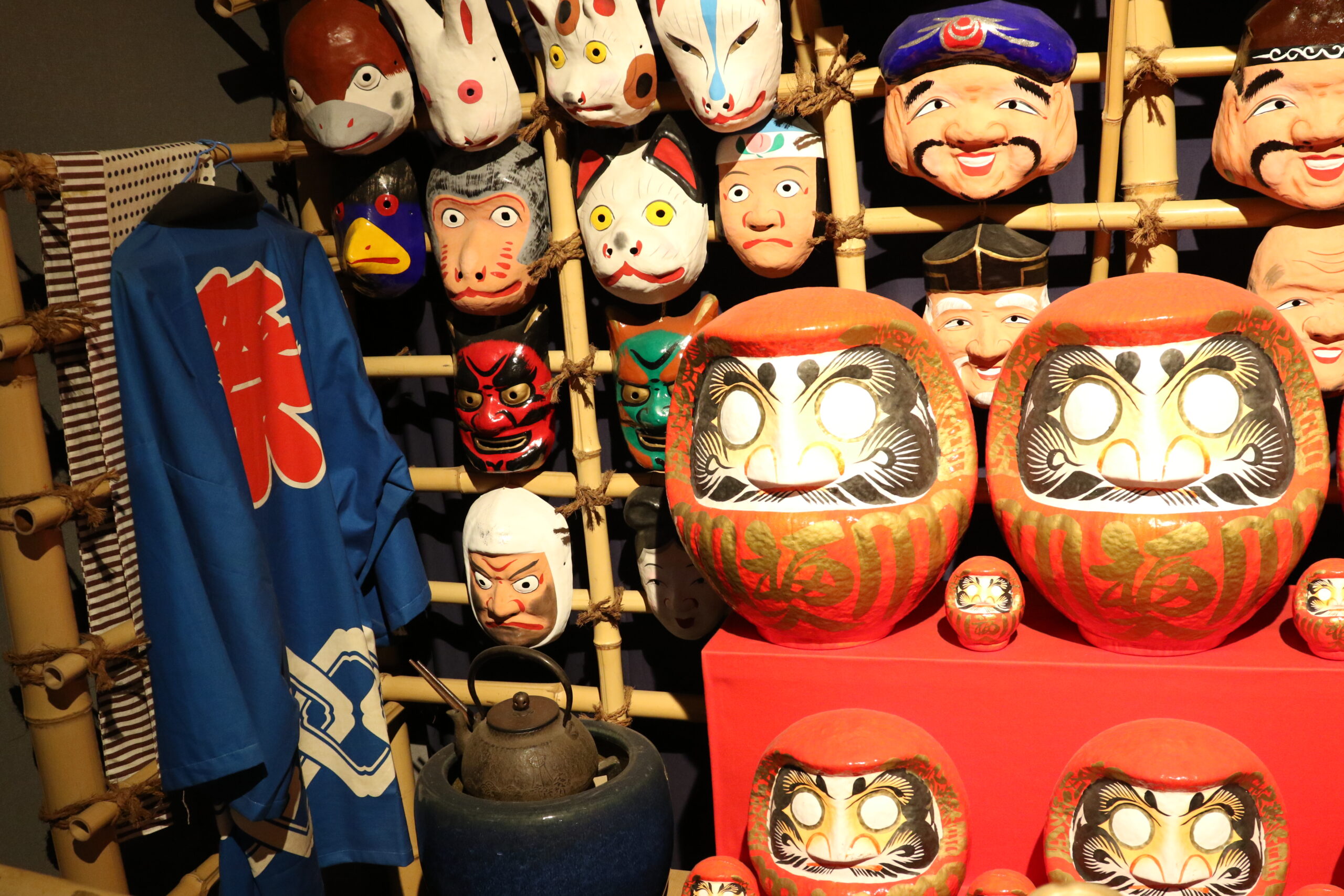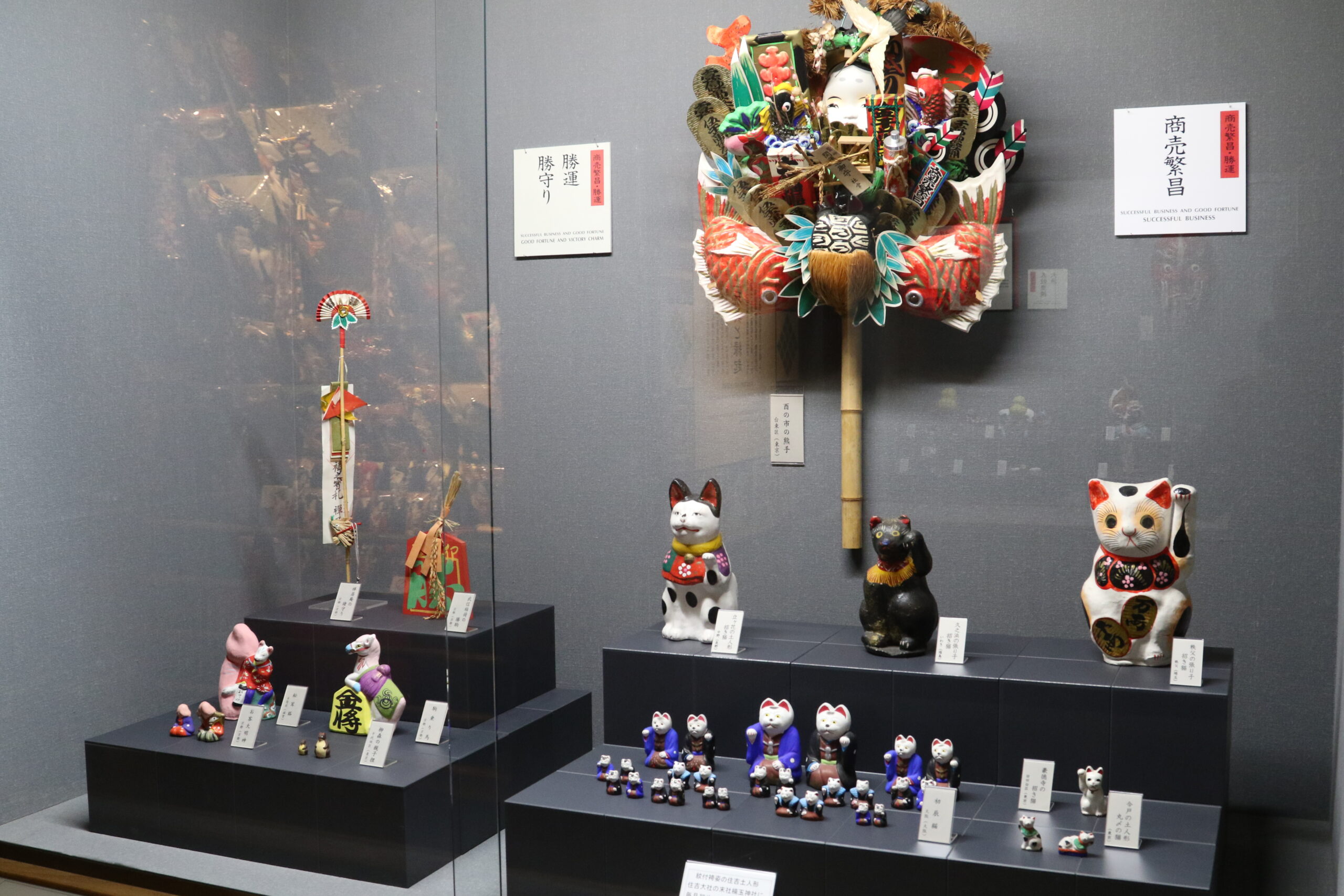
“Shishimai masks used to ward off evil and bring good fortune”
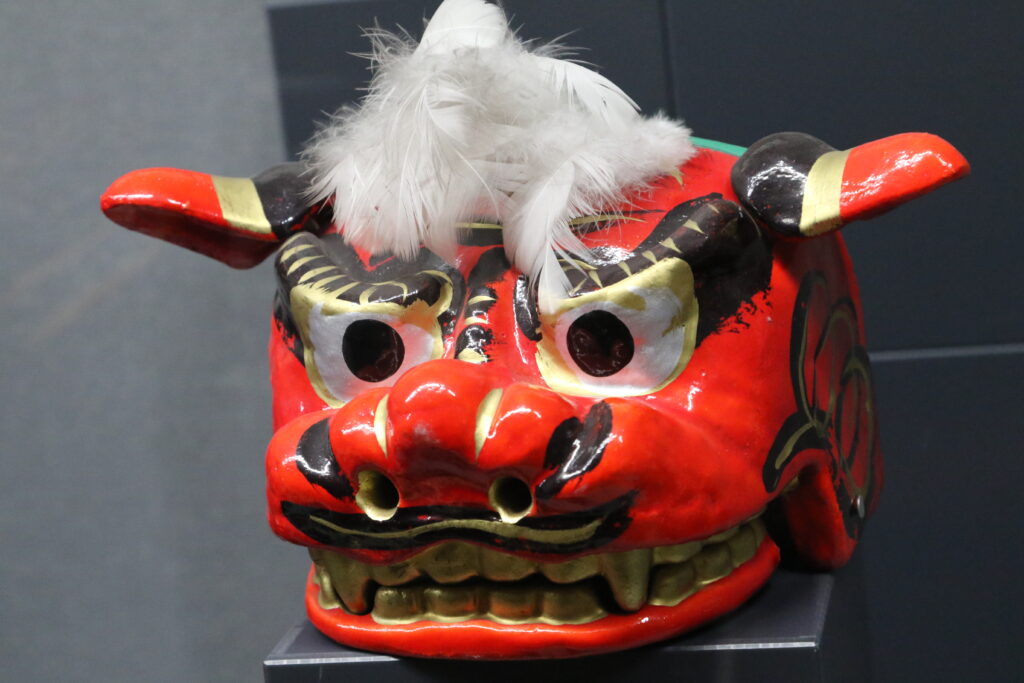
At first glance, these faces look frightening.
Sharp teeth, wide eyes, and bold colors give the impression of a dangerous creature.
This is Shishimai, the Japanese lion dance.
Despite its fierce appearance, Shishimai is not meant to scare people away.
In fact, it exists to protect them.
A Lion That Eats Bad Luck
In Japan, Shishimai is believed to drive away evil spirits and misfortune.
During festivals and New Year celebrations, the lion dances through towns and homes, sometimes biting people on the head.
This bite is not an act of aggression.
It is said to eat bad luck, illness, and negative thoughts, leaving the person purified and protected.
That is why even children—though often frightened—are encouraged to let the lion bite them.
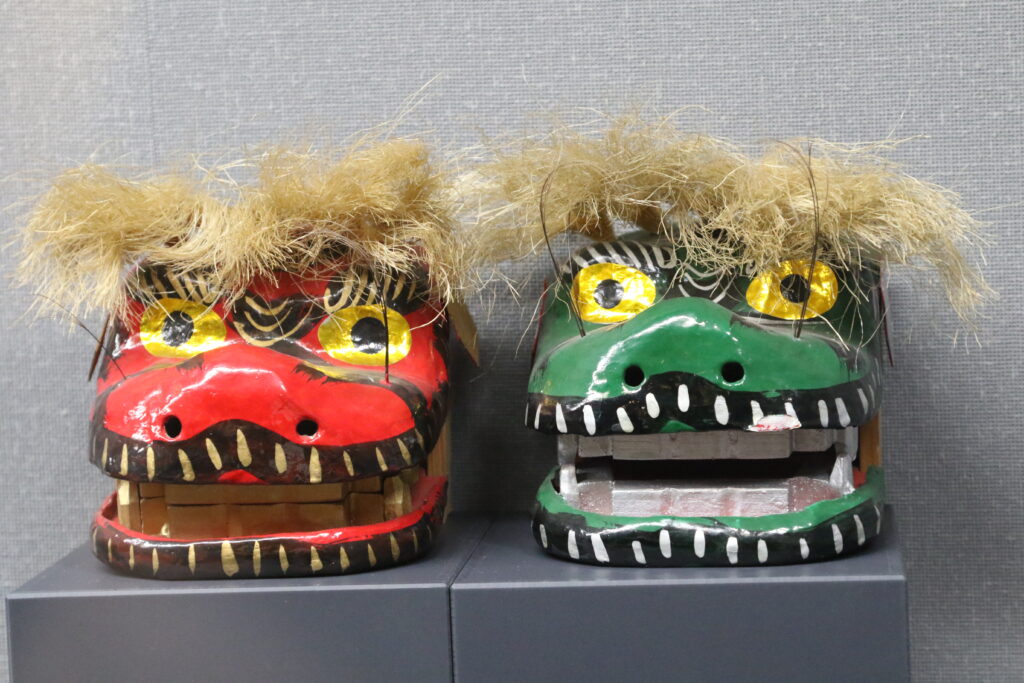
Why Are There Red and Green Lions?
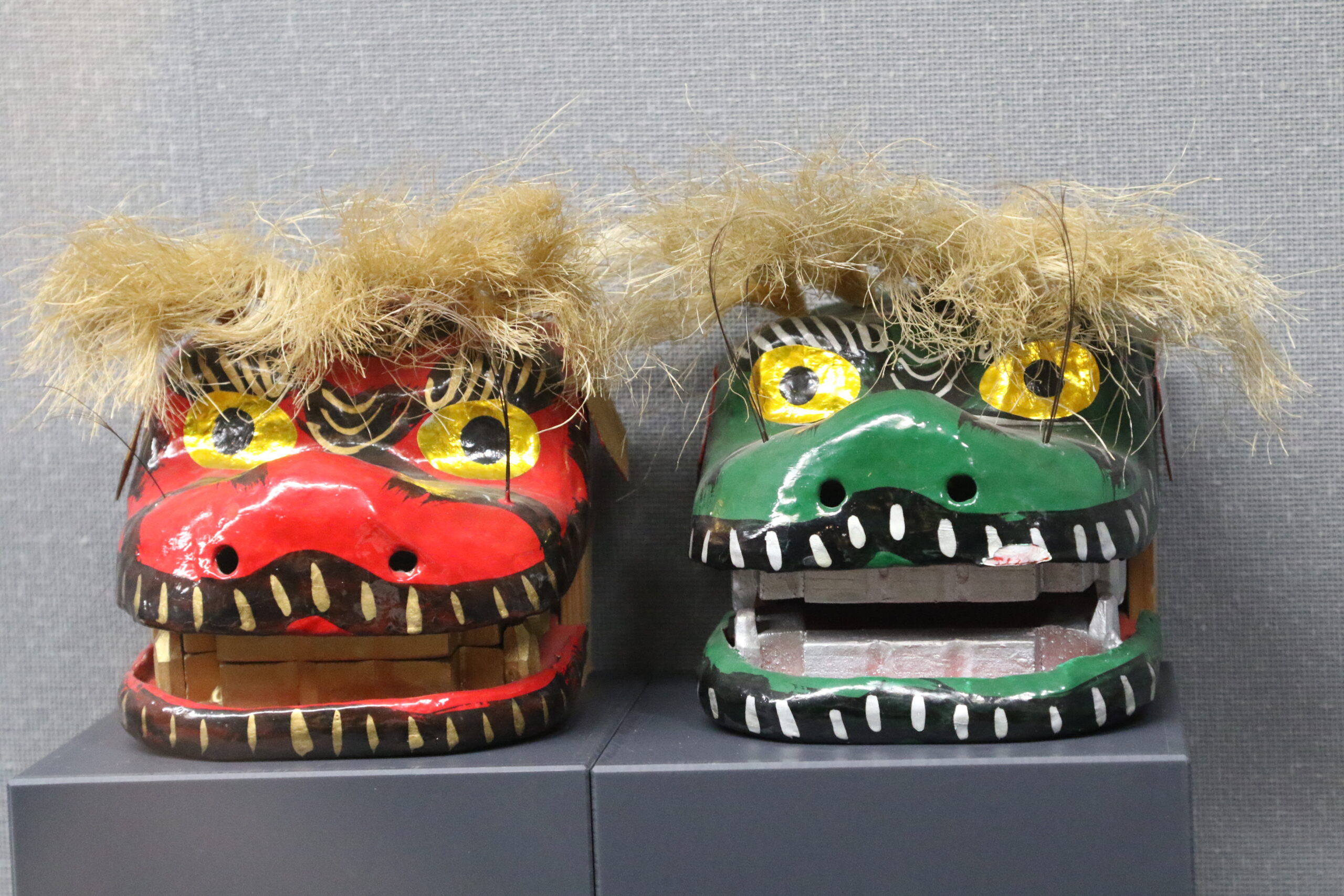
Shishimai masks often appear in pairs, commonly red and green.
While meanings vary by region, the colors generally represent balance:
- Red symbolizes strength, protection, and vitality
- Green represents nature, growth, and harmony
Together, they guard the community from misfortune throughout the year.
More Than a Mask
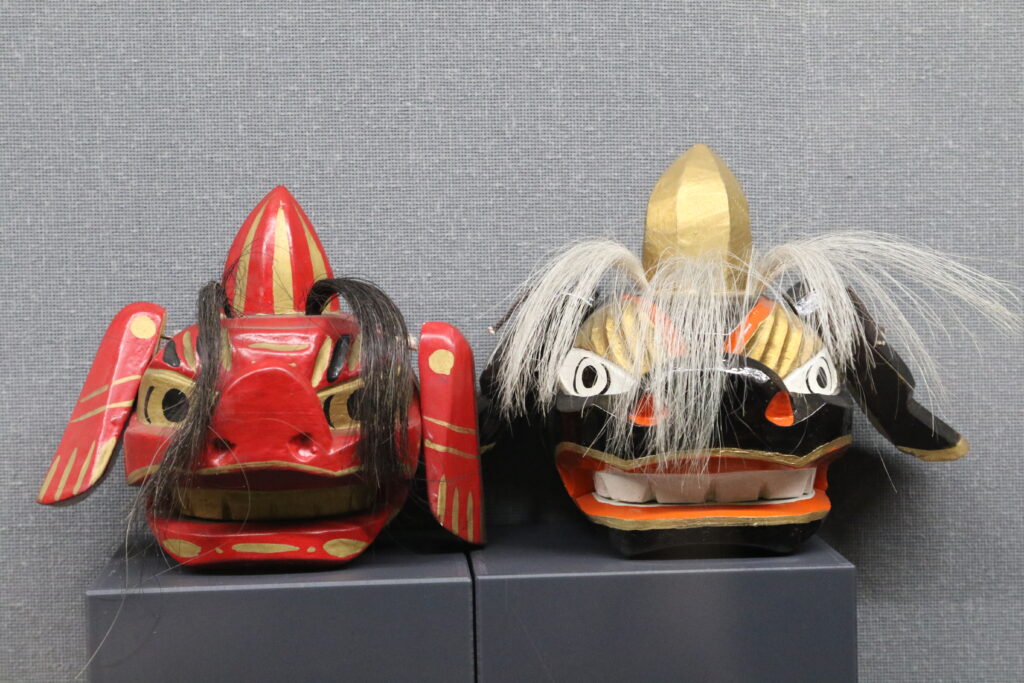
These are not simple decorations.
Each Shishimai head is carefully crafted from wood, painted by hand, and decorated with hair, cloth, or feathers.
The expressions differ by region—some fierce, some playful—reflecting local beliefs and traditions passed down for generations.
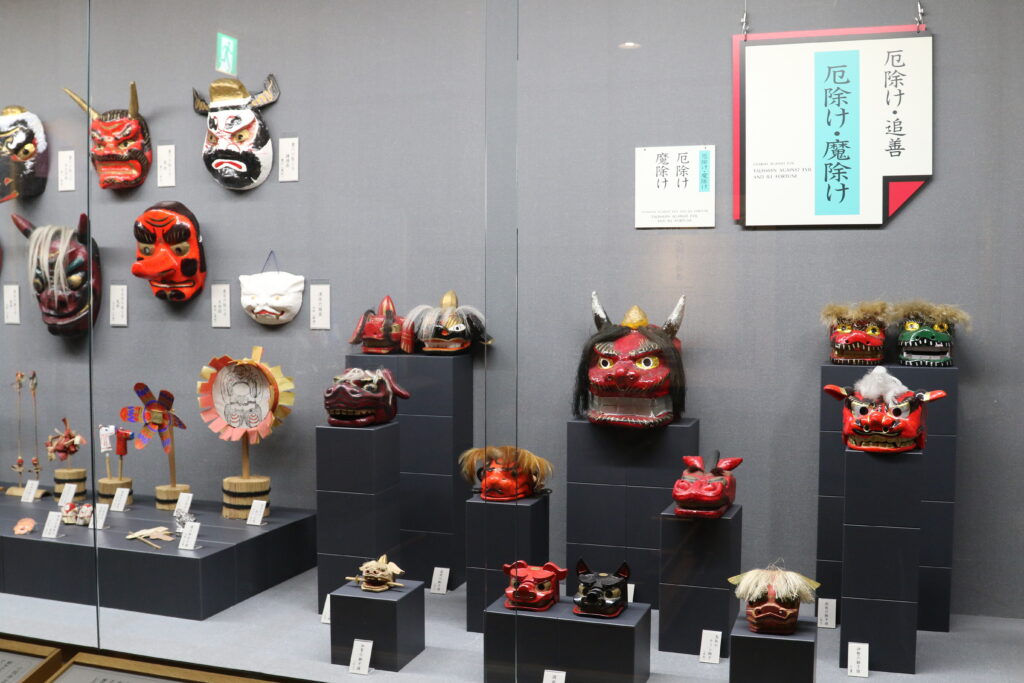
When displayed together, they show how deeply this ritual is woven into everyday life and seasonal events in Japan.
Fear That Protects
To outsiders, Shishimai may look terrifying.
But in Japan, fear and protection often coexist.
The lion does not chase people away.
It stays close, dances among them, and guards the community by confronting unseen dangers.
This is the true role of Shishimai:
a frightening face with a benevolent purpose.