わらじという技
― 日本の暮らしを足元から支えた草履 ―
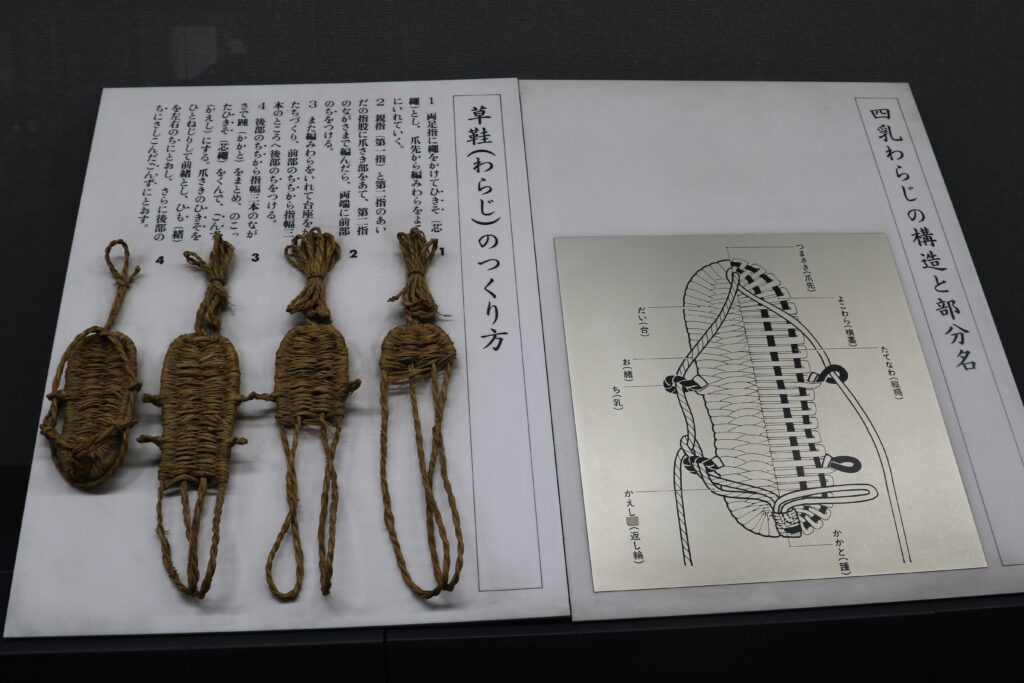
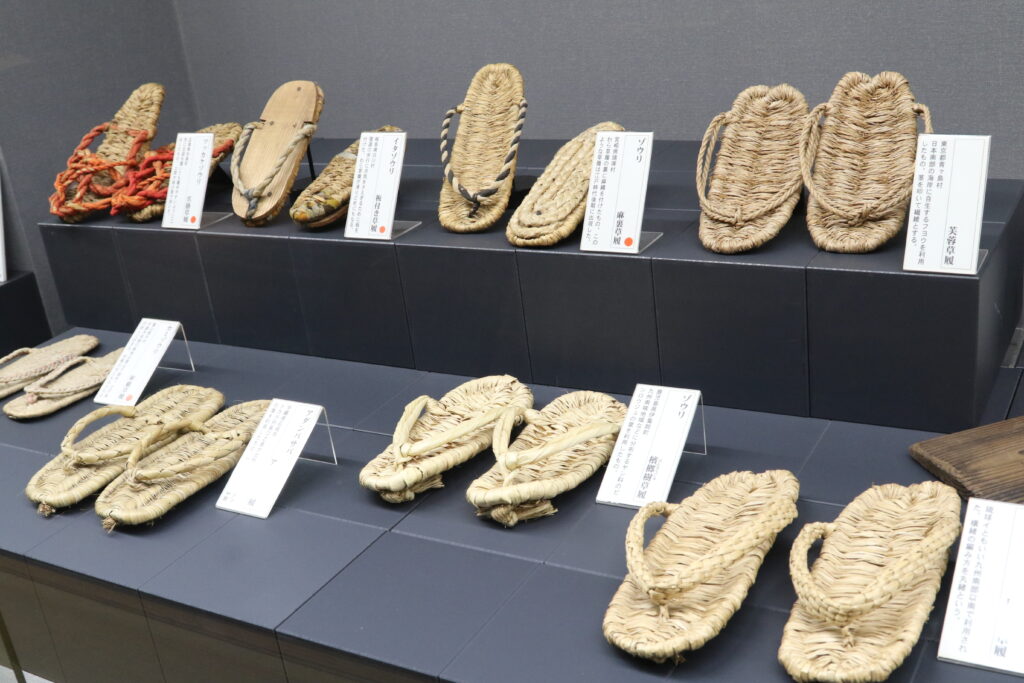
Waraji, traditional straw sandals, were once an essential part of everyday life in Japan.
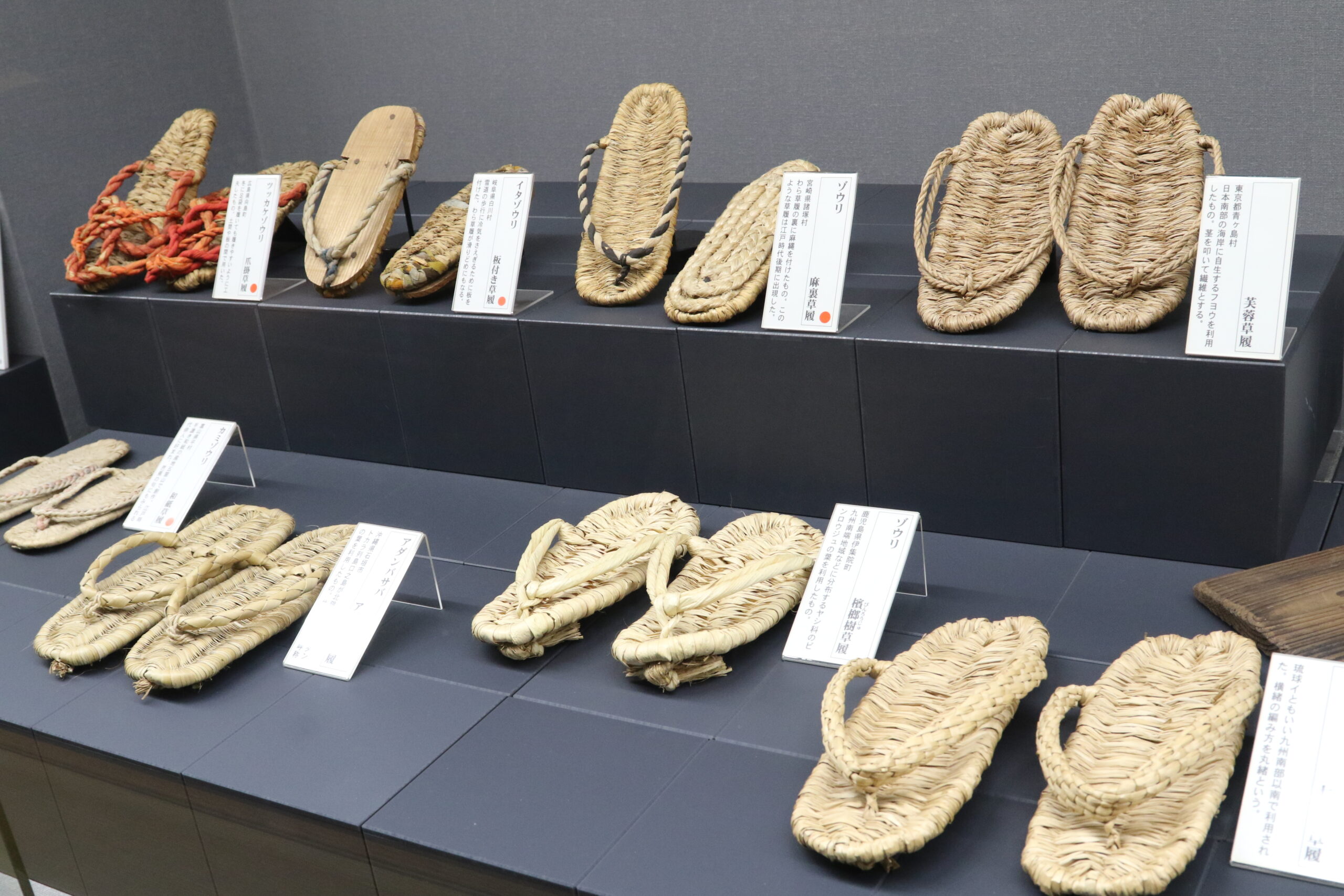
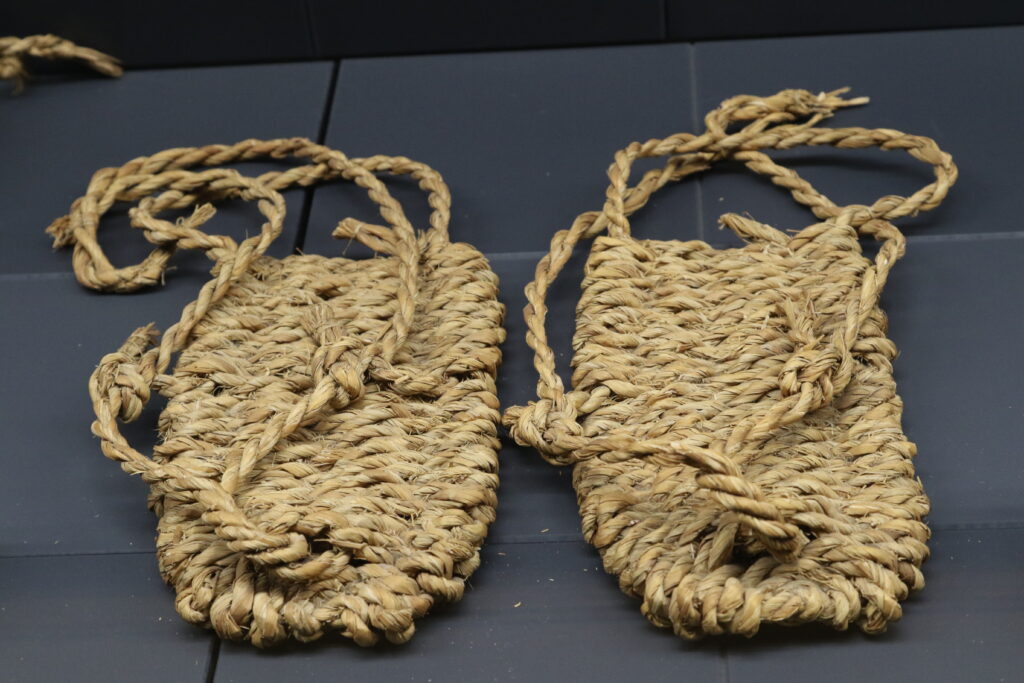
Made from braided plant fibers, waraji were designed to be strong, flexible, and easily repaired. Their construction allowed them to fit a wide range of feet, while the tying cords secured the sandals firmly during long walks and physical labor.
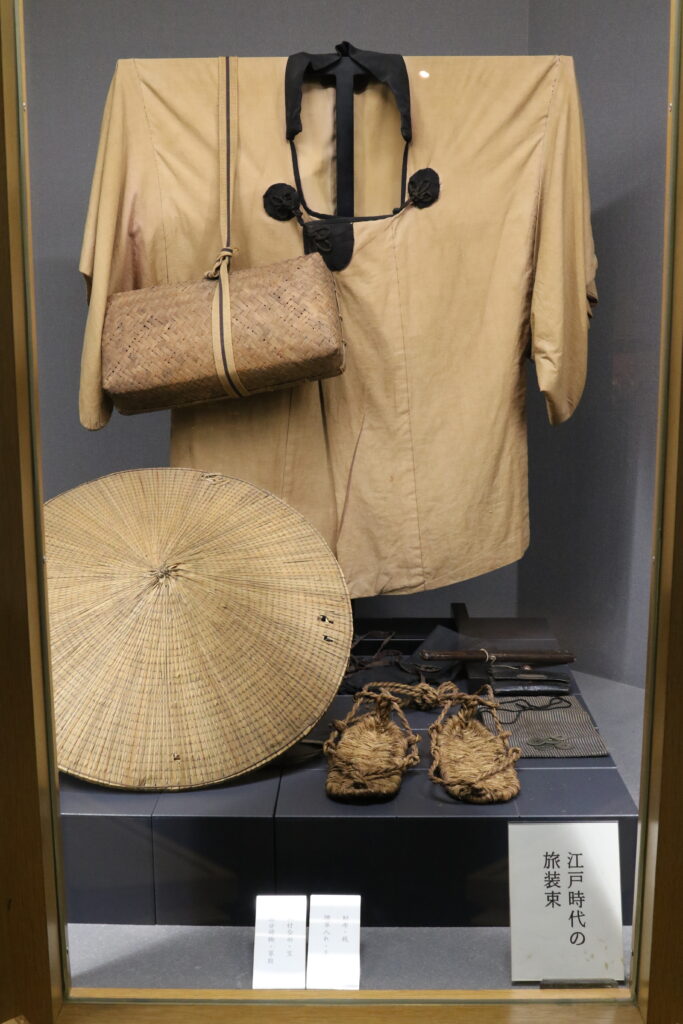
These sandals were worn by farmers, travelers, merchants, and pilgrims.
Rather than being mass-produced items, waraji were often handmade within households or local communities, reflecting regional styles and personal skill.
The making of waraji was not only practical knowledge, but also a form of craftsmanship passed down through generations.
Each knot, braid, and curve shows an understanding of how the human body moves across the land.
Today, waraji are no longer part of daily footwear, yet they remain powerful symbols of a time when people shaped what they needed with their own hands.
わらじは、かつて日本の暮らしに欠かせない履物でした。
農作業や旅、巡礼など、日常のあらゆる場面で使われ、丈夫さと実用性が重視されていました。
編み方や結び方には地域ごとの違いがあり、家庭や身近な人の手によって作られることも多かったといいます。
母方の祖父がわらじ作りを得意としていた、という話からも分かるように、わらじは特別な職人だけのものではなく、暮らしの中で受け継がれてきた技でした。
足元を支えるための工夫が、静かに積み重ねられてきた履物です。