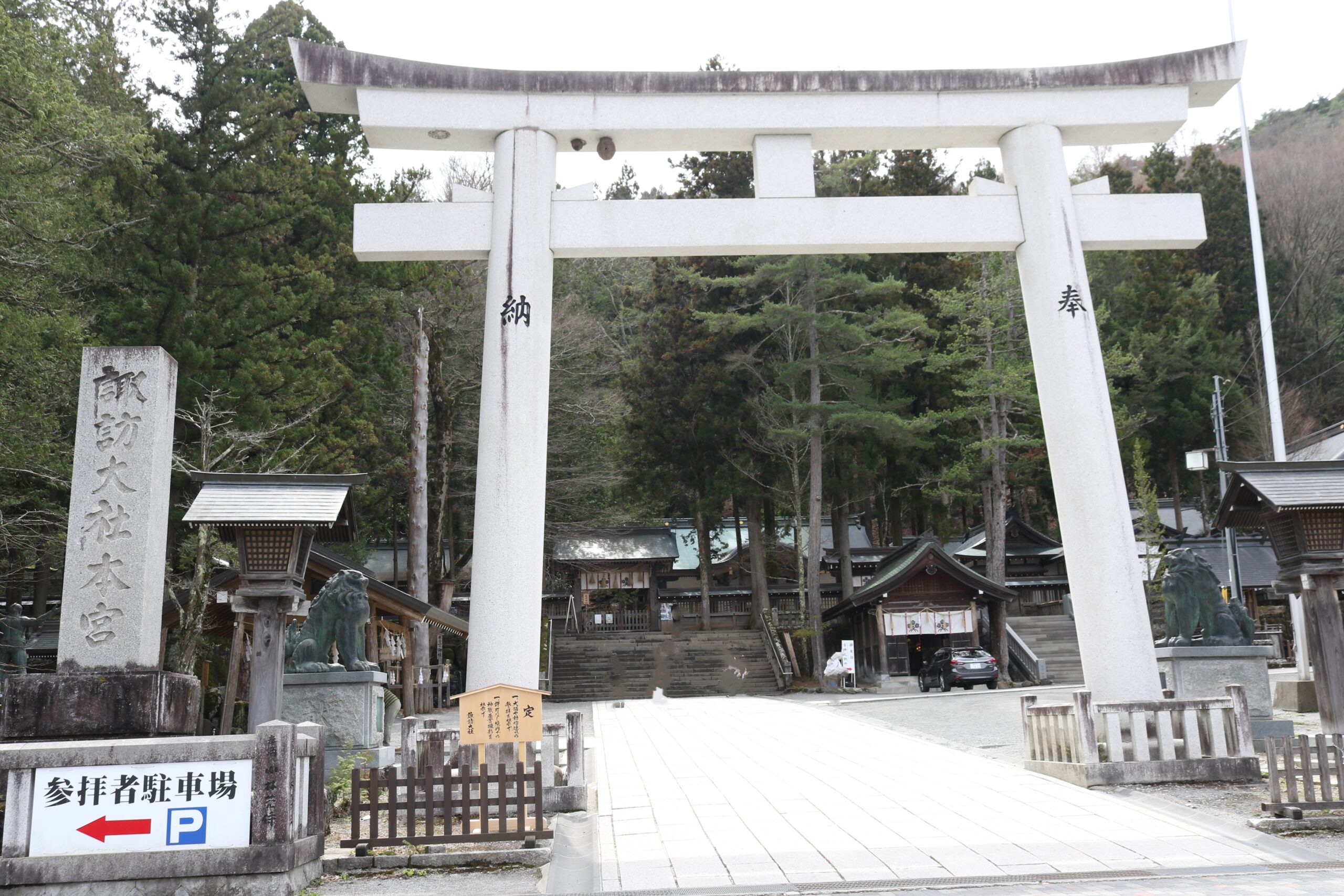
(諏訪大社・上社本宮 ― 自然そのものを祀る森の神社)
A Shrine Without a Main Sanctuary
Unlike many Shinto shrines in Japan,
Suwa Taisha does not enshrine a deity inside a single main building.
Here, nature itself is sacred.
The surrounding mountains, forests, and ancient trees are the true objects of worshi
諏訪大社は「本殿を持たない神社」として知られ、
自然そのものが御神体とされています。
The Power of Simplicity and Wood
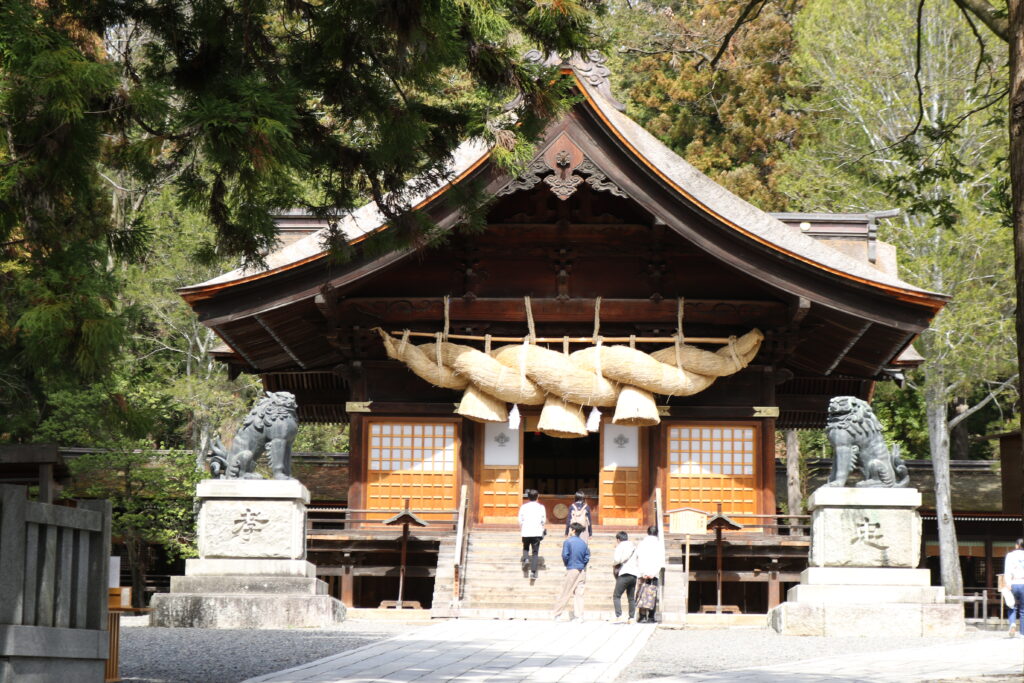
The buildings of Kamisha are striking in their simplicity.
Dark wood, heavy roofs, and minimal decoration allow the forest to remain the focus.
Standing here, visitors often notice the silence first —
a calm that feels deeper than a typical tourist site.
華美な装飾を抑えた社殿は、
森の存在感を引き立てるためのものです。
A Living Place of Worship
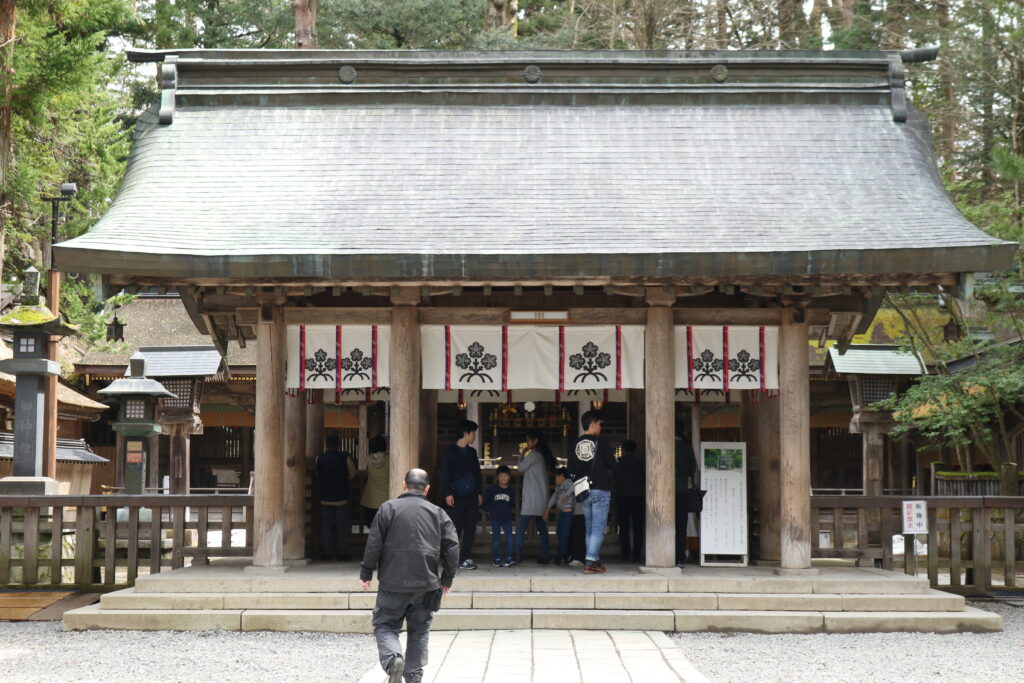
This is not a shrine preserved only for history.
People still come here to pray — quietly, naturally, as they have for centuries.
The presence of worshippers gives a sense of continuity,
connecting the past with the present.
諏訪大社は「生きた信仰の場」。
今も日常の祈りが続いています。
The Sacred Pillars of Onbashira
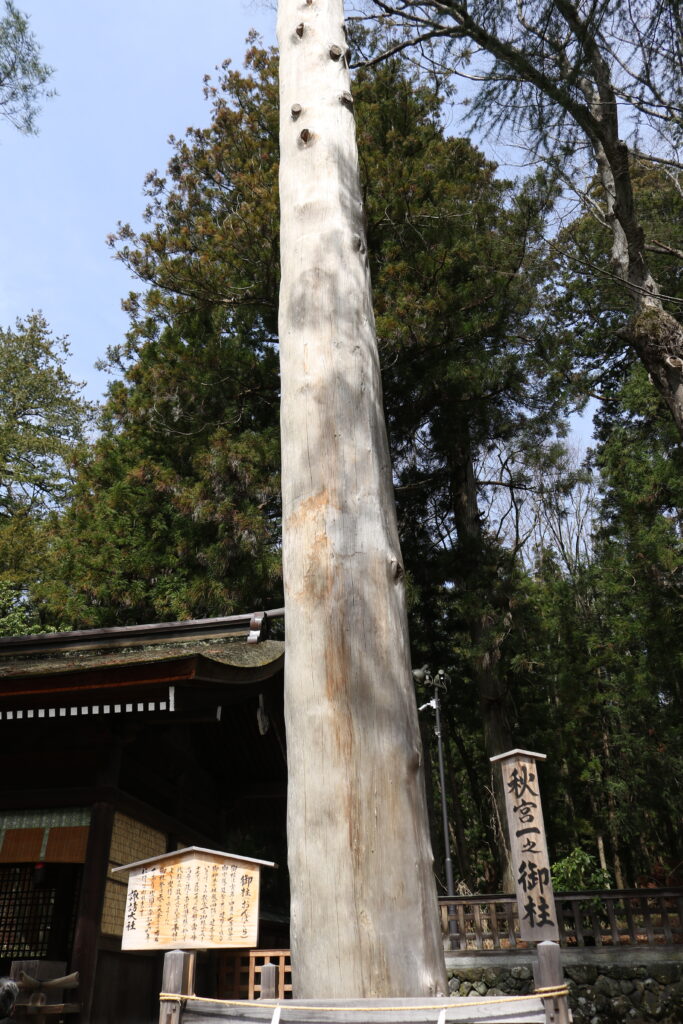
One of the most distinctive features of Suwa Taisha is the Onbashira —
massive wooden pillars raised during the Onbashira Festival, held once every seven years.
These pillars are not decorations.
They are symbols of renewal, strength, and the enduring bond between people and nature.
御柱は諏訪大社の象徴であり、
人と自然の関係を体現する存在です。
A Quiet Sacred Space Beyond Tourism
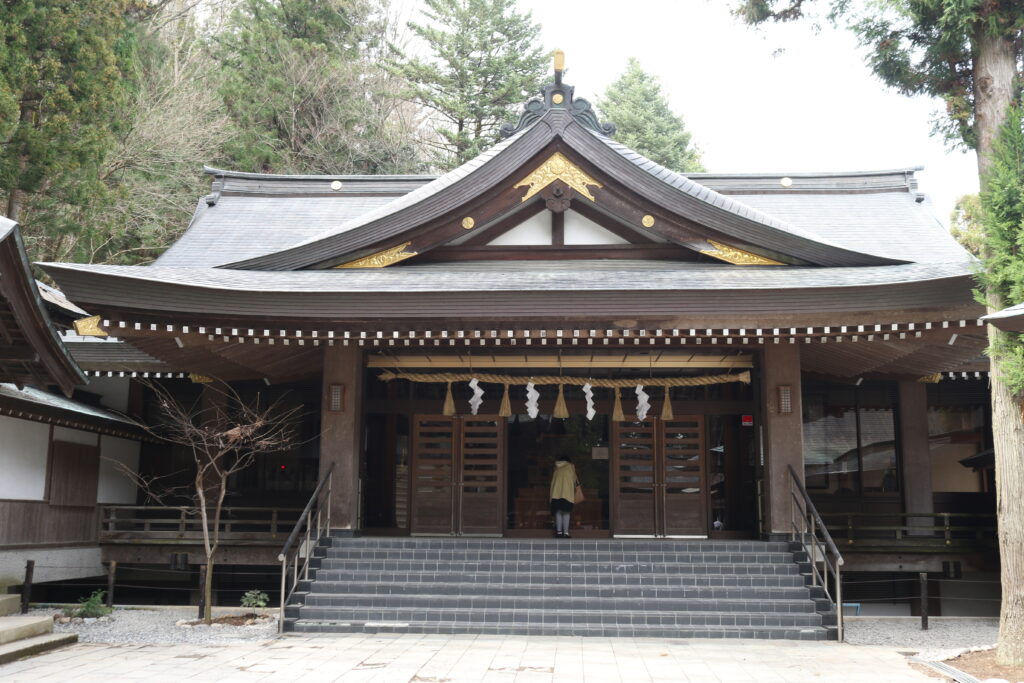
Kamisha is not about spectacle.
It is about atmosphere — the sound of wind in the trees,
the weight of history, and the feeling of standing somewhere timeless.
For those seeking a deeper understanding of Japan beyond famous landmarks,
Suwa Taisha offers a rare and meaningful experience.
観光地というより、
「日本の信仰の原風景」に近い場所です。
Suwa Taisha Kamisha is a place where architecture steps back,
allowing nature itself to become the shrine.