The Meaning of Komainu in Japanese Culture
日本の神社や寺院の入口に立つ「守護獣」
At the entrances of Japanese shrines and temples, silent guardians stand watch.
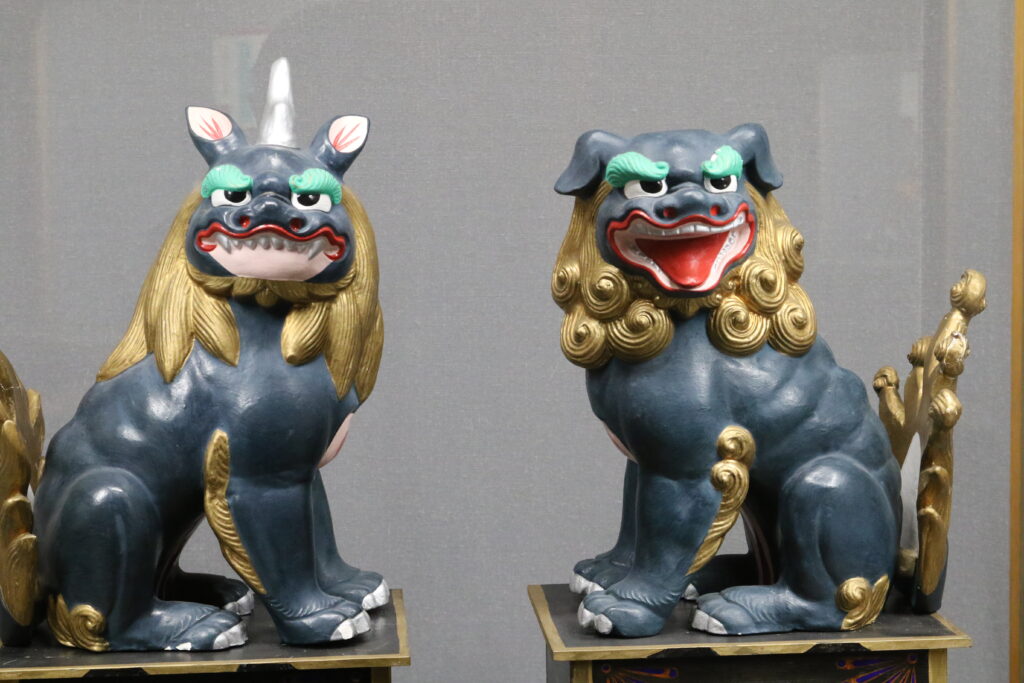
They are known as Komainu—mythical lion-dogs believed to protect sacred spaces from misfortune and evil spirits.
Though they appear decorative at first glance, Komainu are deeply symbolic.
They always appear as a pair, and their expressions, posture, and even their mouths carry meaning passed down through centuries.
日本の神社や寺院の入口に立つ狛犬は、魔除けとして人々を守る存在です。
装飾ではなく、古くから信仰とともに受け継がれてきた守護獣です。
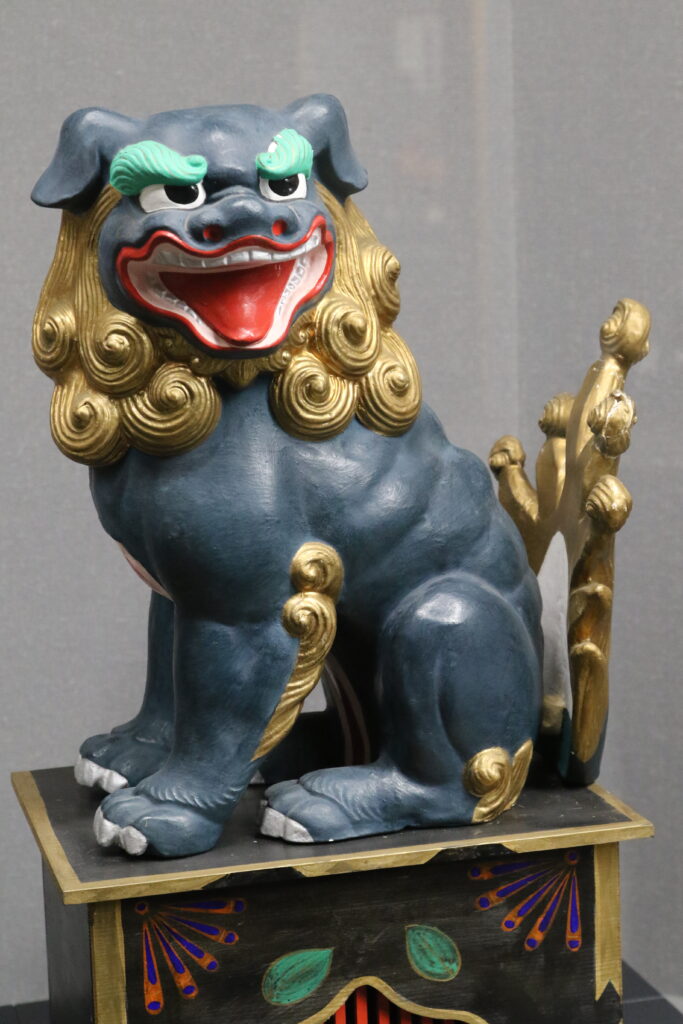
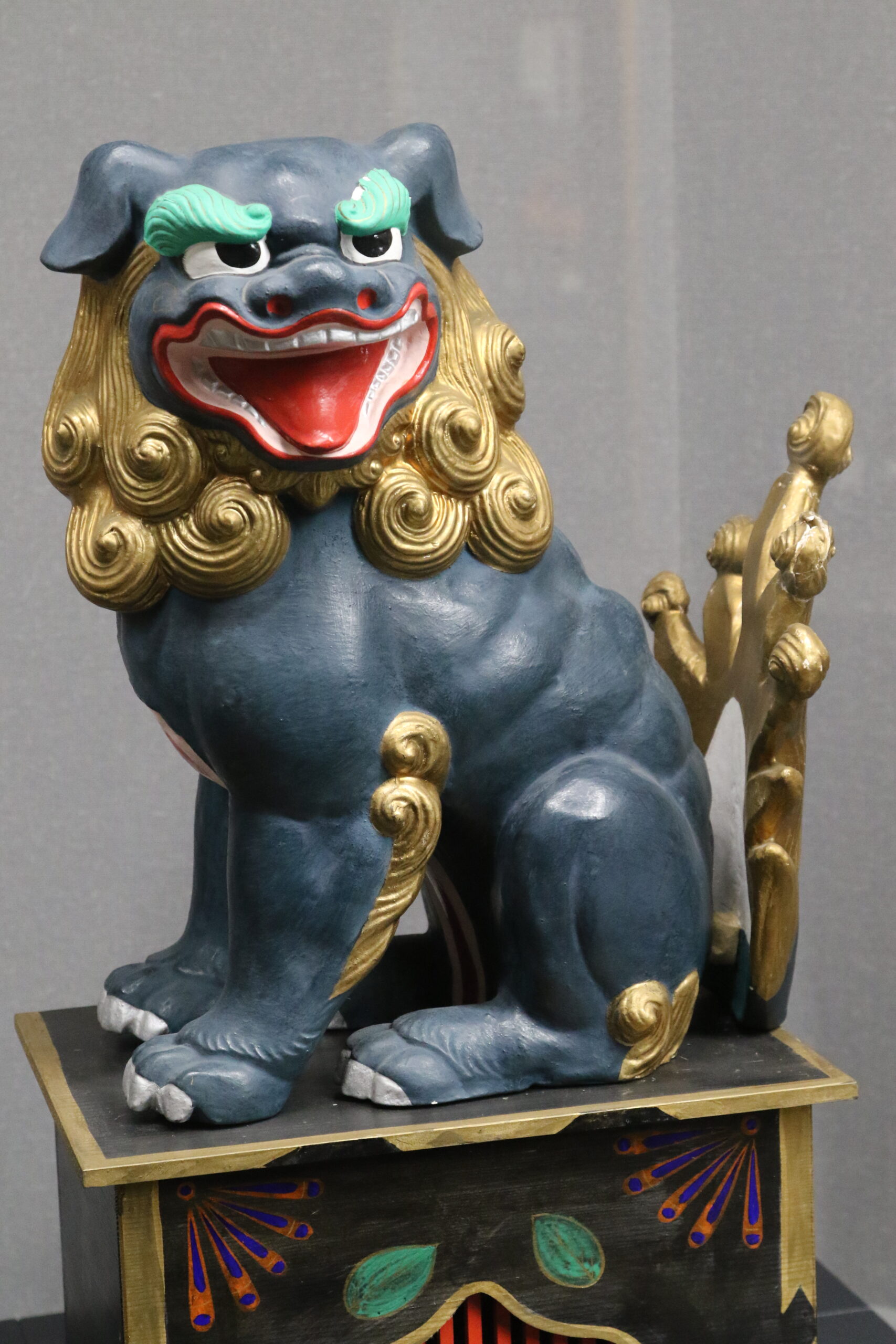
One of the pair opens its mouth wide.
This figure is called “A” (阿形), symbolizing the beginning of all things.
In ancient thought, “A” represents the first sound of the universe—creation, birth, and action.
Its fierce expression is intentional, meant to frighten away evil before it can cross the threshold.
The exaggerated eyes and sharp teeth are not signs of aggression, but of protection.
口を開けた狛犬は「阿形(あぎょう)」と呼ばれ、物事の始まりを意味します。
強い表情は、災いを近づけないためのものです。
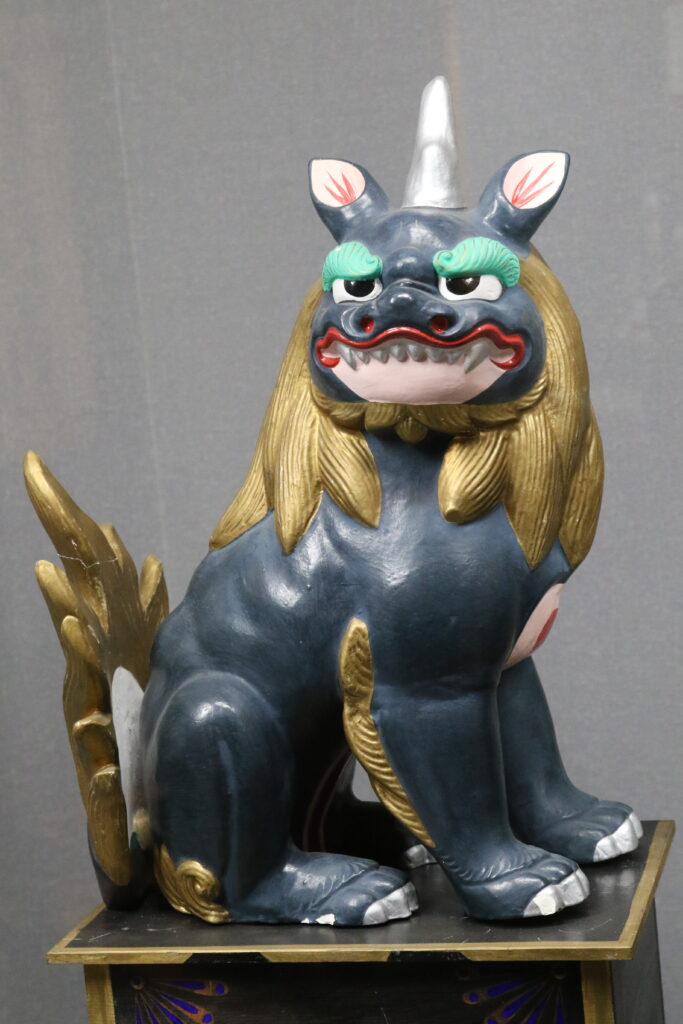
The other guardian closes its mouth in silence.
This is “Un” (吽形), symbolizing completion, stillness, and the end of a cycle.
Some figures, like this one, bear horns—a reminder of older beliefs and foreign influences from China and India.
These variations show that Japanese spiritual culture was never static, but continuously evolving.
Together, “A” and “Un” represent the beginning and the end—protecting everything that exists in between.
口を閉じた狛犬は「吽形(うんぎょう)」で、終わりや完成を意味します。
角のある姿は、より古い信仰や外来文化の影響を今に伝えています。
Komainu do not speak, yet they tell a story.
A story of protection, belief, and time.
Standing quietly at the threshold, they remind us that ever
狛犬は語りませんが、その姿は日本人の信仰と時間の積み重ねを静かに伝えています。