日本酒造りは酒米を蒸すところから始まる
In the sake-brewing town of Saijo, the process of making sake begins long before fermentation.
One of the most important early steps is steaming the rice, a stage that determines the character of the final sake.
1. Washed and Soaked Rice
Before steaming, polished rice is carefully washed and soaked in water.
This controls how much moisture the rice absorbs—measured to the second in traditional breweries.
2. Steaming the Rice (蒸米 / Jōmai)
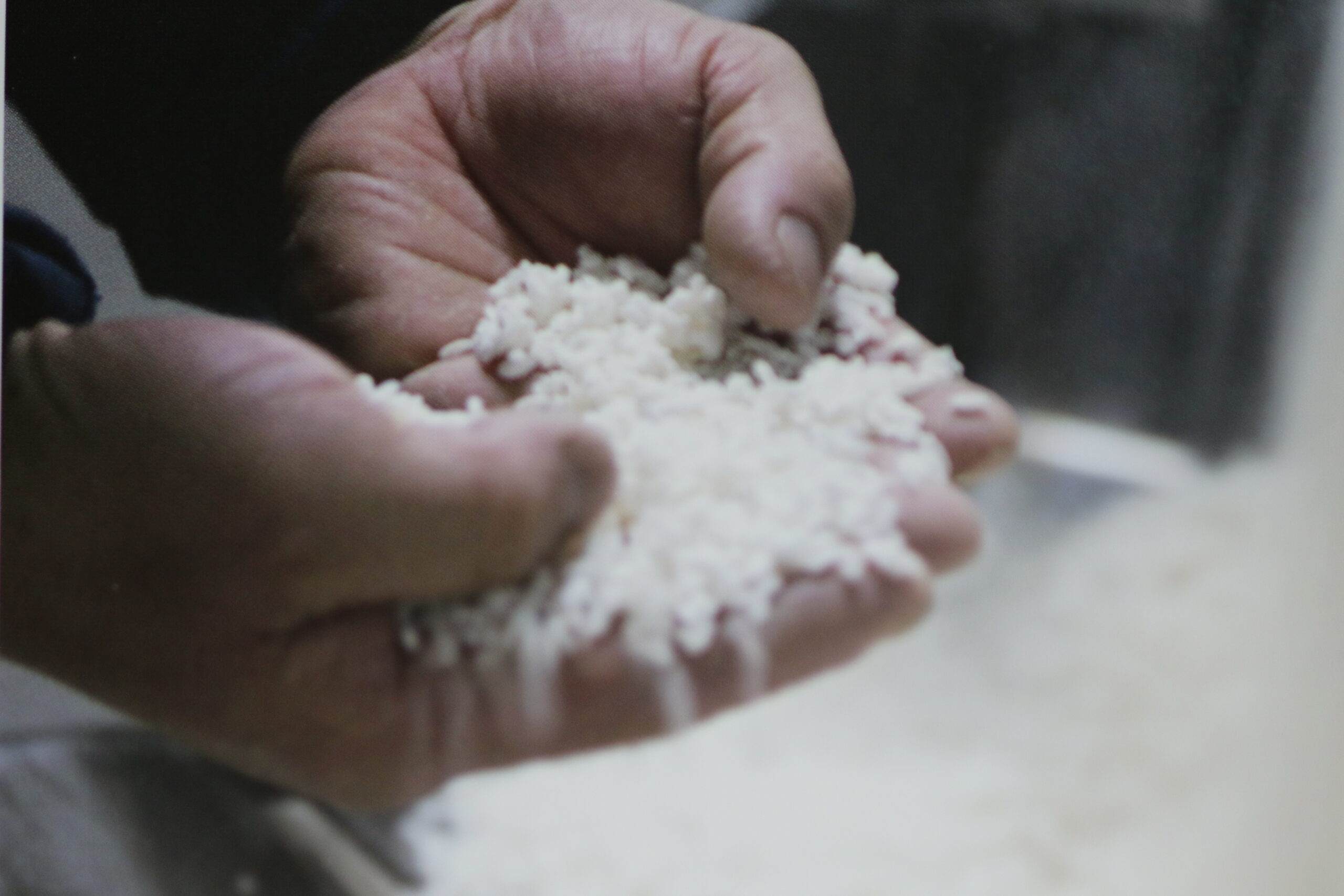
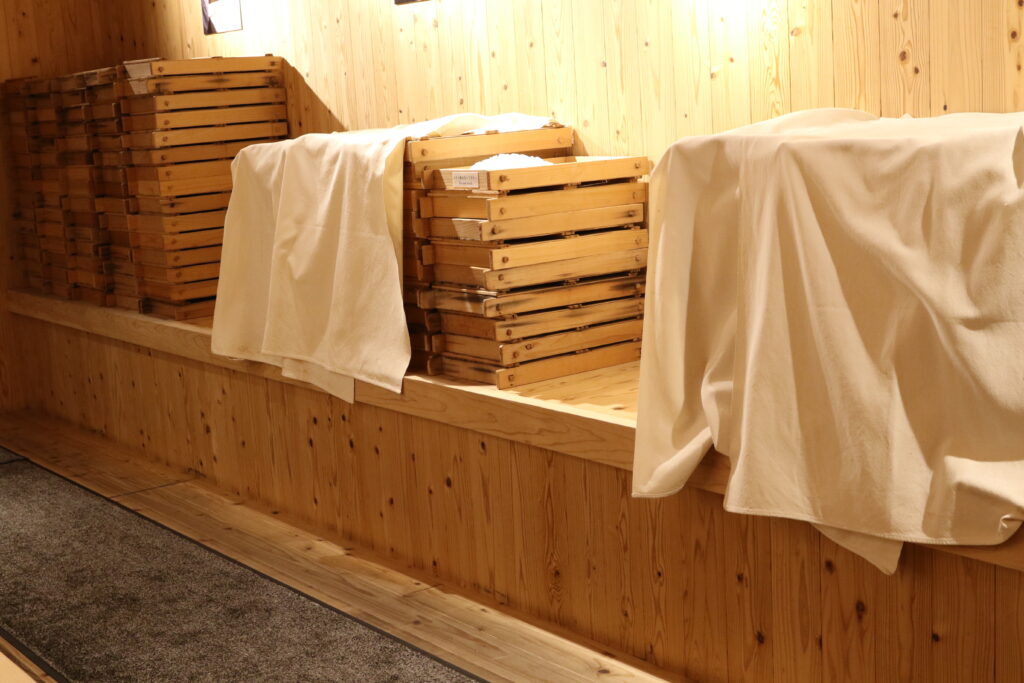
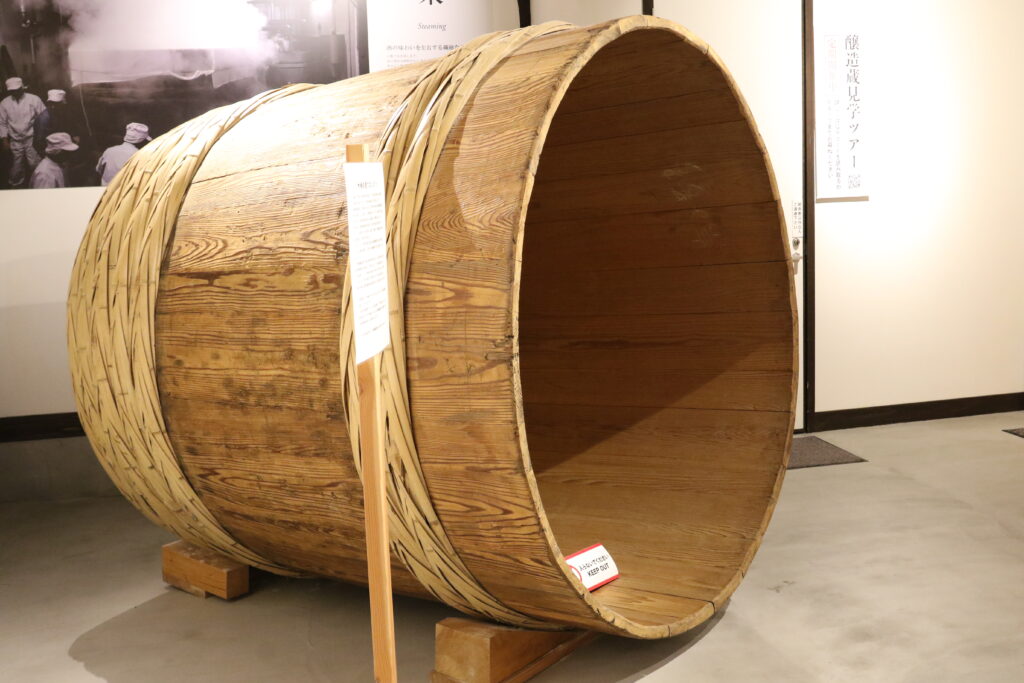
The rice is then steamed using wooden boxes and large steamers, rather than boiled.
Steaming makes the outside of each grain firm while keeping the inside soft—an ideal structure for fermentation.
This texture allows:
Koji mold to grow properly
Yeast to convert starch into alcohol smoothly
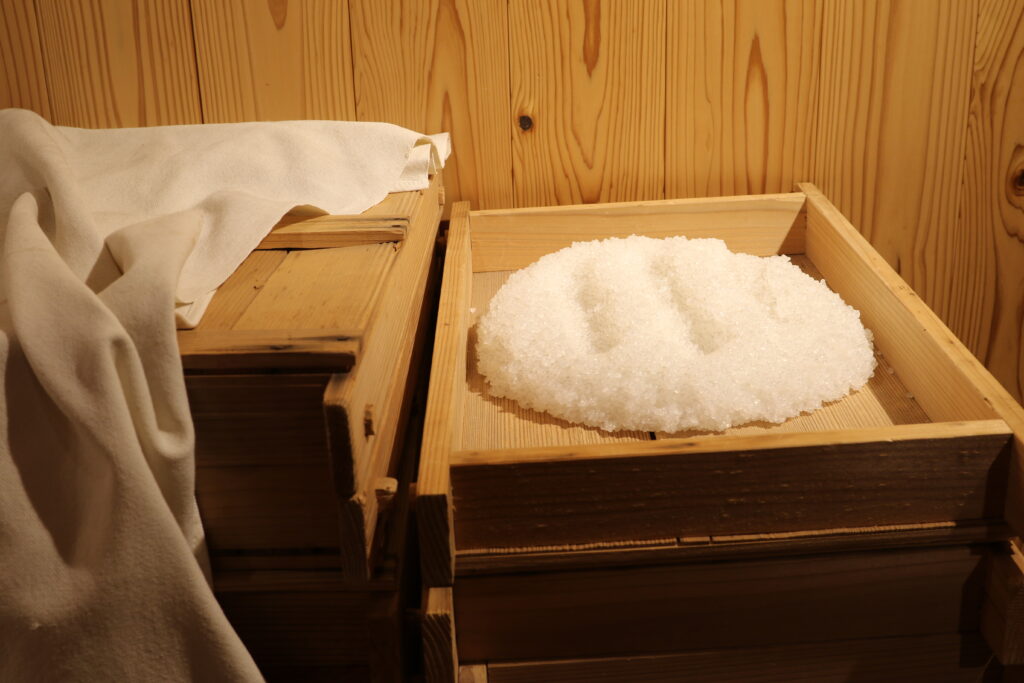
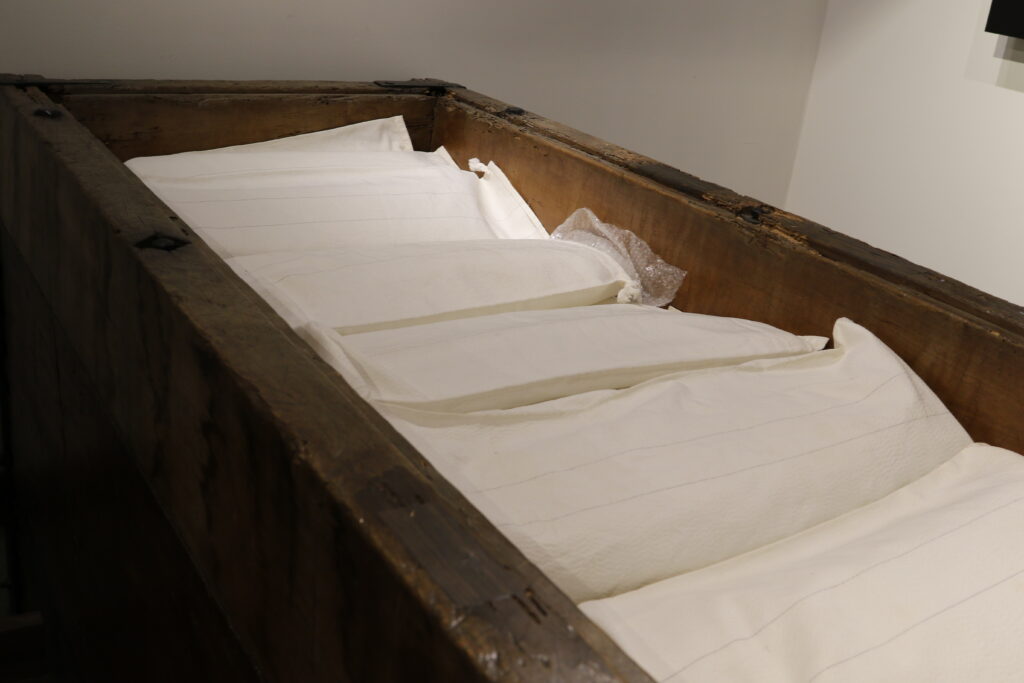
The images here show stacked wooden trays covered with cloth, and traditional steaming vessels once used in active breweries.
3. Tools of Tradition
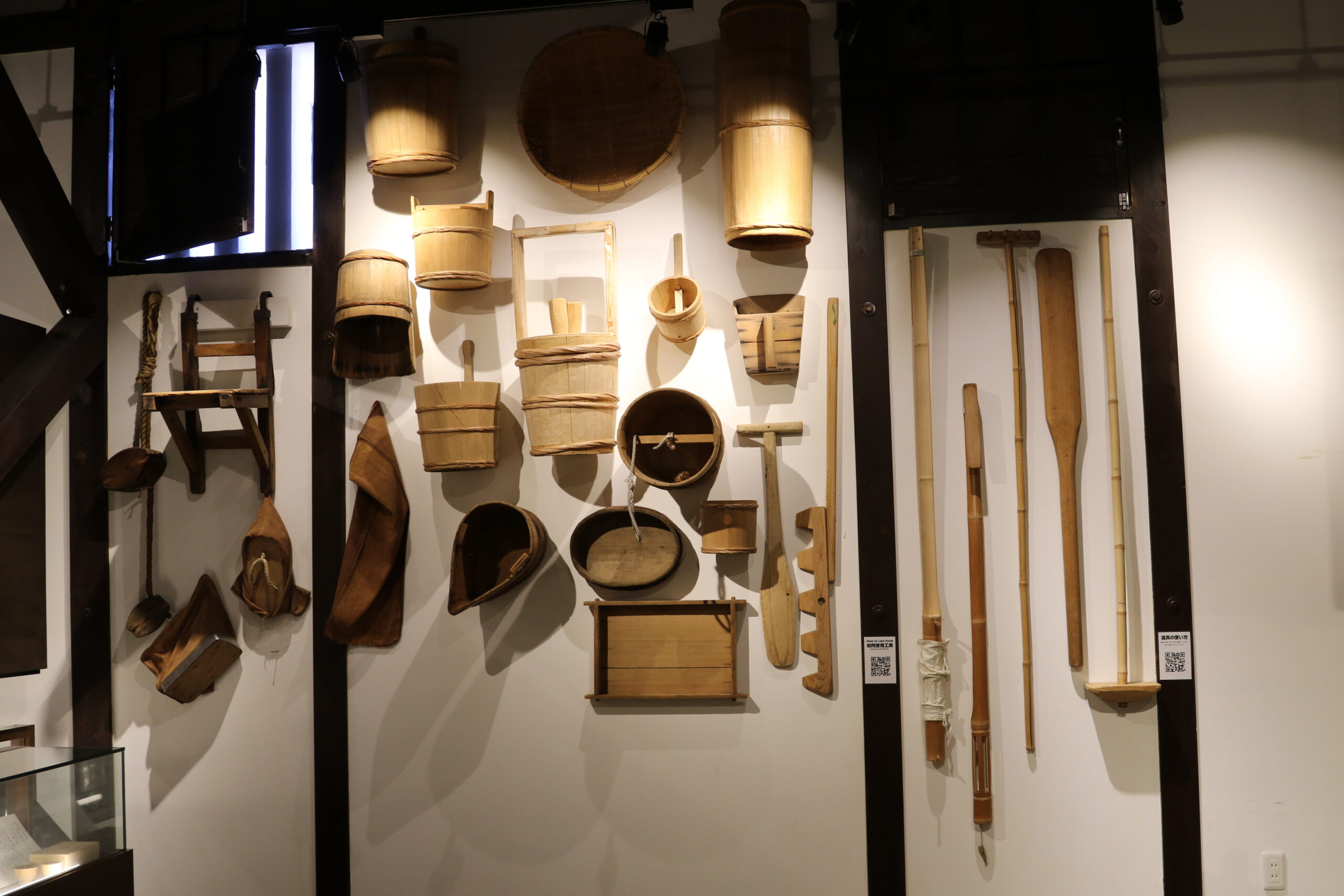
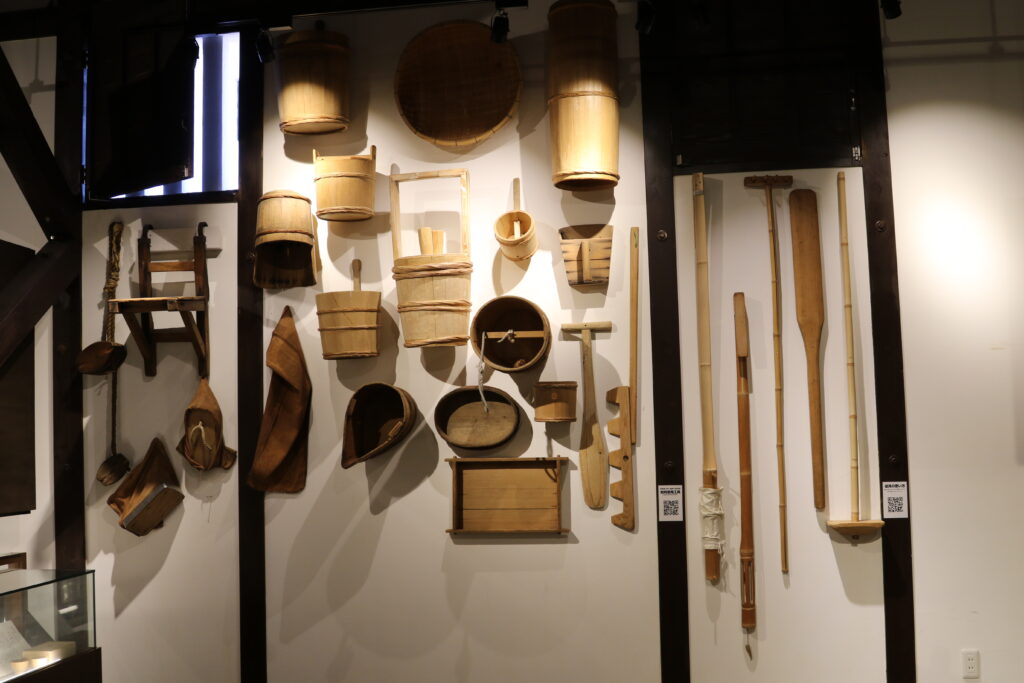
The wall displays of wooden buckets, paddles, and baskets reveal how sake was crafted long before modern machinery.
Even today, many breweries continue to steam rice using methods refined over centuries.
4. From Steam to Sake
After steaming, the rice is cooled and divided—some for making koji, others for fermentation.
Although invisible in the bottle, this moment of rising steam defines the balance, aroma, and depth of the sake to come.
日本酒造りでは、酒米を「炊く」のではなく蒸すことが重要です。
蒸すことで、米の外側はしっかり、中はやわらかい状態になり、麹菌と酵母が働きやすくなります。
写真に写っている木箱や布、道具類は、伝統的な酒蔵で実際に使われてきたものです。
蒸米は、香りや味わいを左右する、日本酒造りの核心部分と言えます。